
Leaderboard
-

BlueBolts
Members1Points5650Posts -
fish4fish3
Members1Points137Posts -
fishmosy
Members1Points4594Posts
Popular Content
Showing content with the highest reputation on 02/03/13 in Posts
-
1 pointWith such a great number of hobbyist joining the forum, thought I'd start a thread on some basic shrimp maintenance/breeding advise and techniques I'm guided with..... Water Parameters (WP) is critical, so depending on the shrimp type, do some research and ensure your tanks (WP) are within the recommended range. There are extreme cases (i.e. PH at 5 or 7.5 where CRS are successfully kept/bred, but on avg. these WP are theoretically a good starting point.... Caridina (CRS, CBS, SW/GB, TB*, Tiger**..) PH - 6.4 KH - 0-2 GH - 4-6 TDS - 100-200 Temp - 21-23 *TB (KK, WR & BB) - Some breeders prefer a slightly lower PH (5.6 - 6.2) for Taiwan Bee **Tigers - Some breeders prefer a slightly higher PH (7-7.4), KH - 2-8 and GH - 6-10 for Tigers Neocaridina (All colour variants of Cherry Shrimp) PH - 6.4 KH - 0-2 GH - 4-6 TDS - 100-200 Temp - 21-23 There's several thread on the forum with regards to soil type/recommendations, filters, chillers etc, so I'll just focus on the "day to day" maintenance and breeding habits I practice religiously... * Weekly water change (WC) is beneficial to even the best filtered system. I only do a 5-10% weekly WC per week, just to "freshen" the water. Add minerals like salty shrimp, mineral powder etc... On each WC. * The quality and consistency of Tap water varies. Reverse Osmosis (RO) water is recommended, to avoid any imbalances/pitfalls that can occur. Control what goes into your tank, to ensure minimal unexpected deaths. * Ensure a varied diet of commercial and fresh food to your shrimps, including. Powdered food to feed your shrimplets.. I daily feed all my shrimp, and depending on stock levels and shrimplets, two feelings per days are done. * Do water top ups caused by evaporation. I use straight RO water to top up all my tanks. * filter maintenance is done every 6-8 weeks for all my nano tanks, and 8-12 weeks for my breeding racks. This ensure the filters/bacteria is running efficiently. Ensure the filters are only rinsed off with the tanks water...do not over clean, and or use tap water, as this will kill the beneficial bacteria. * On a established system, ensure your nitrates are kept below 20ppm. Low nitrates do promote breeding ! Other notable mentions.. *Shrimp consume their exoskeleton that they shed during molting. This is a a rich source of essential minerals for the shrimp, so do leave them there for their consumption. *Iodine supplement is not necessary as freshwater crustaceans obtain iodine from their food. *Metals like zinc, lead, and elemental copper, are toxic for shrimps and will kill them. *Majority of fish feed on shrimps. Although through clever aquascaping, a co-existance can prevail, But it really depends on the seriousness you take your shrimps/hobby, i.e selective breeding program's, exotic shrimps ... *Hiding spots/shelters are important especially in periods of molting. Shelters can be bought or created via aquascaping. *Avoid chemical, and short term solutions...i.e. PH Up/Down.....I personally don't use ferts, and anything chemical.... *During our summer periods, have a Plan B even if you are running chillers. Have some RO ice blocks in the fridge for emergencies.. *Observe your shrimps, and develop an eye to notice any changes in their behaviour. This may highlight some potential issues before it becomes real issues. *Shrimps require oxygen rich waters. Ensure ample aeration, surface agitation etc... *PATIENCE IS KEY Mother Nature, whether purely natural or influenced by us do throw all of us a "curve ball"... So don't be discourage, get advise and share the grief with this forum, as your experience will help others.... No doubt, there's '000's of other advise, so please do add it onto this thread.......1 point
-
1 pointhere's a pic of the best male I can give you... The others won't be to far behind1 point
-
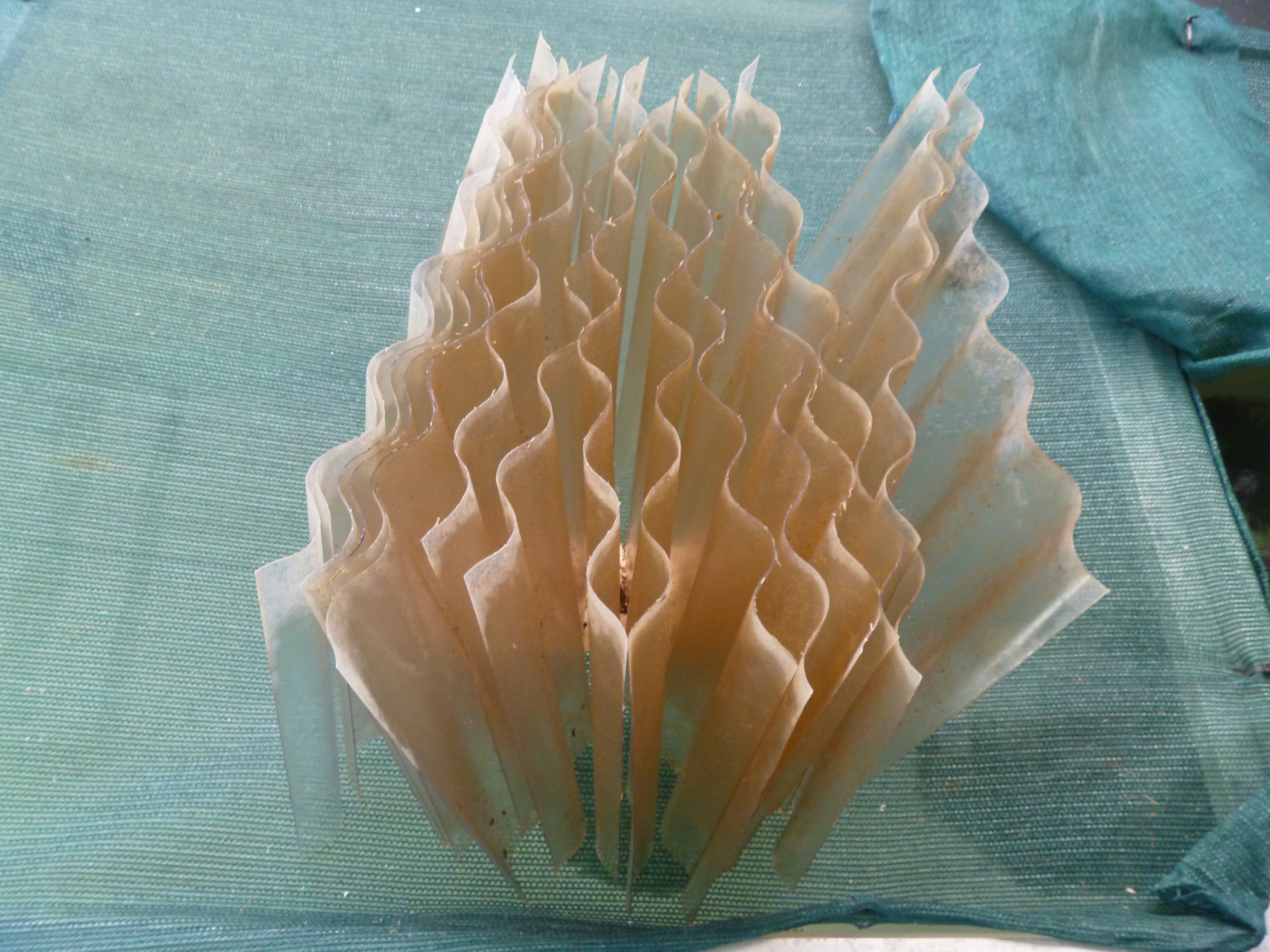
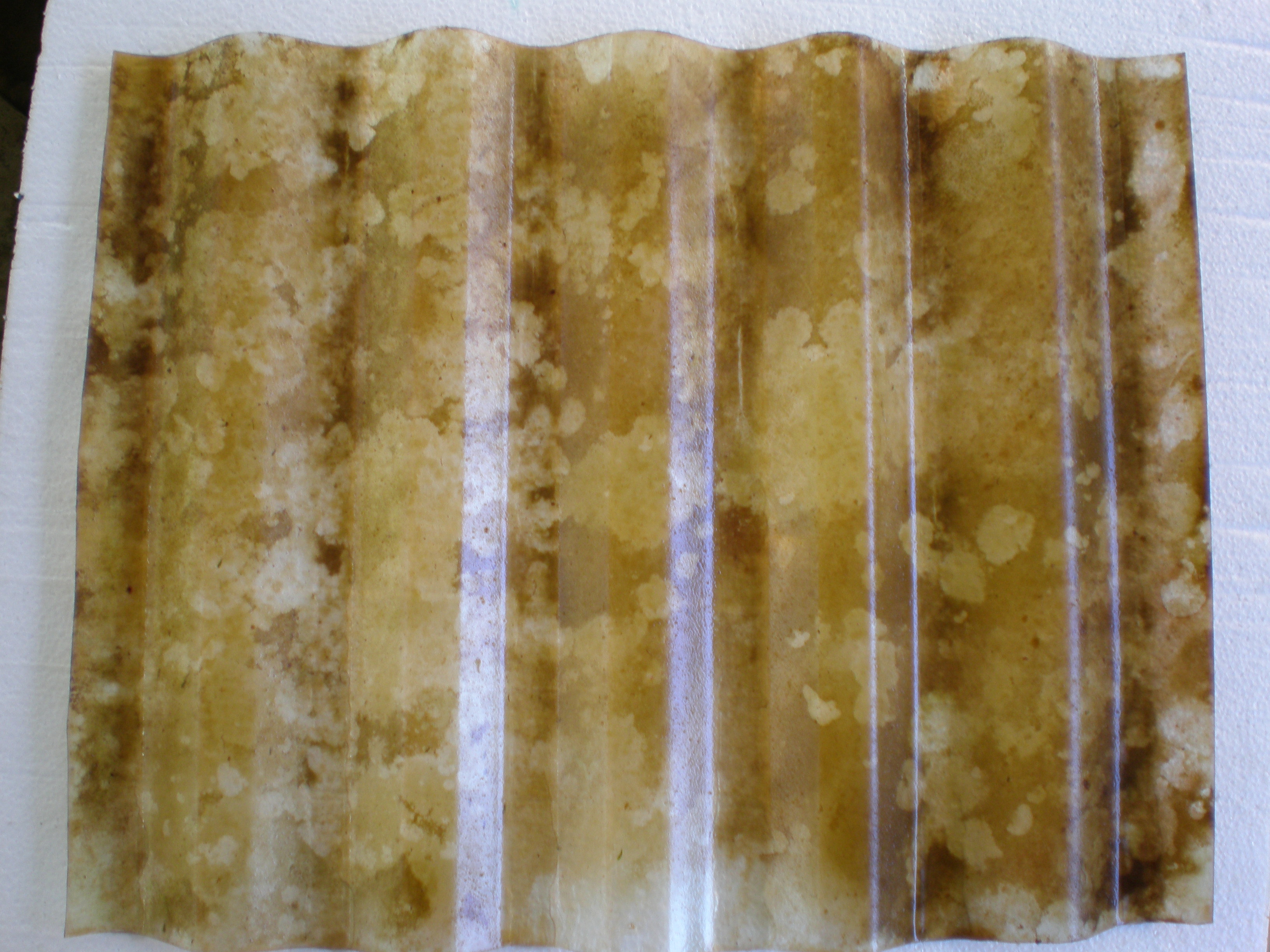
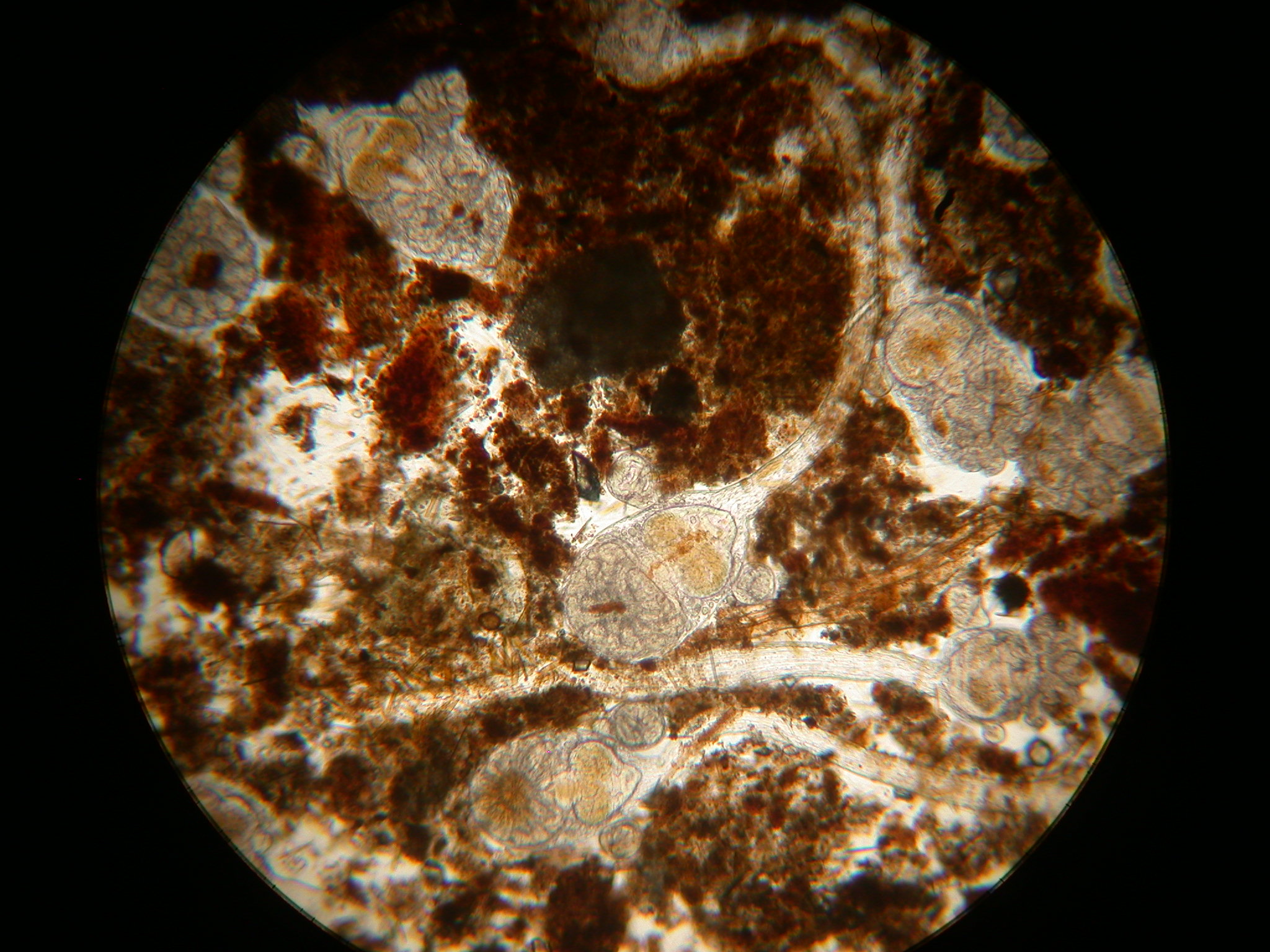
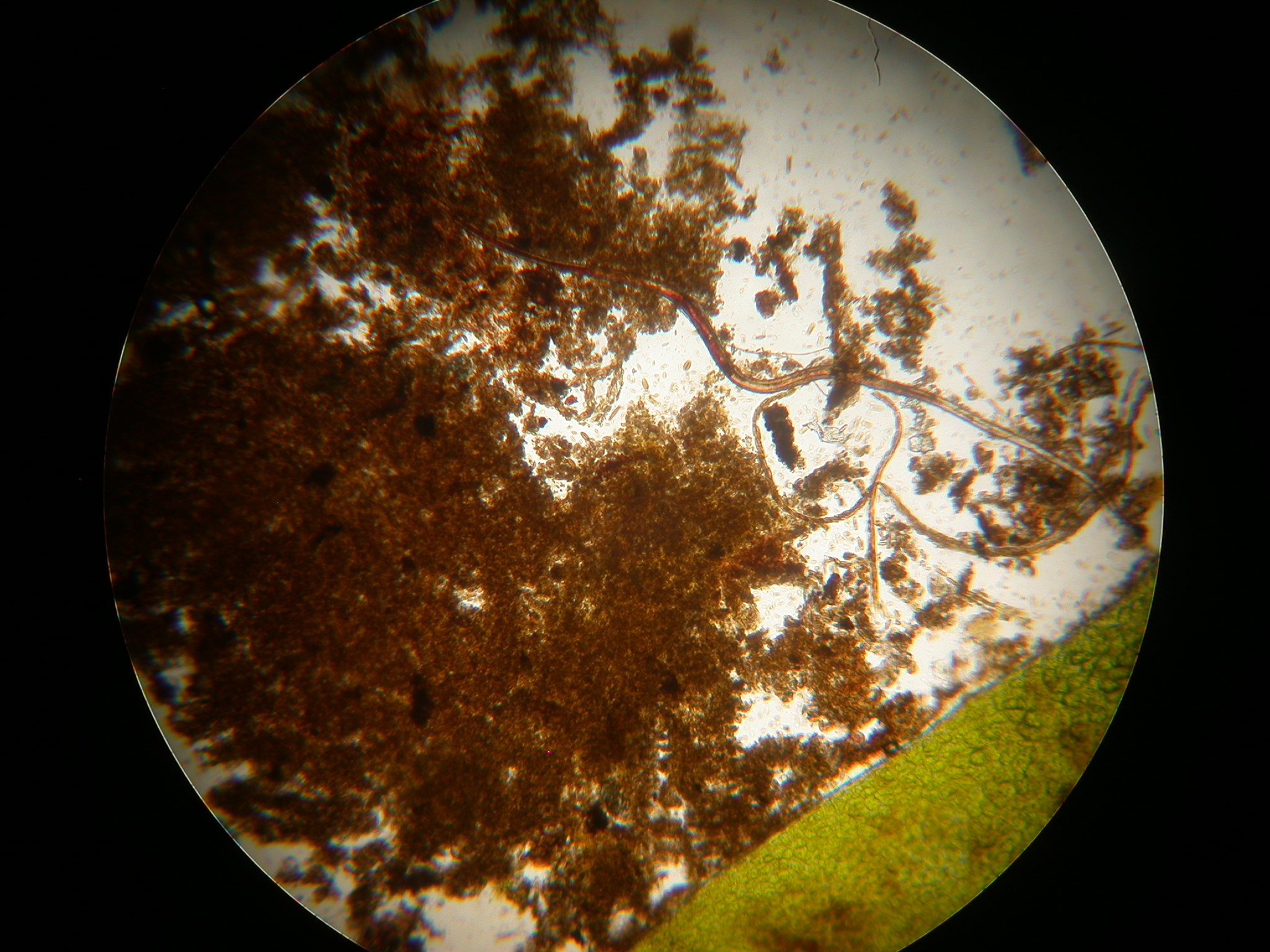
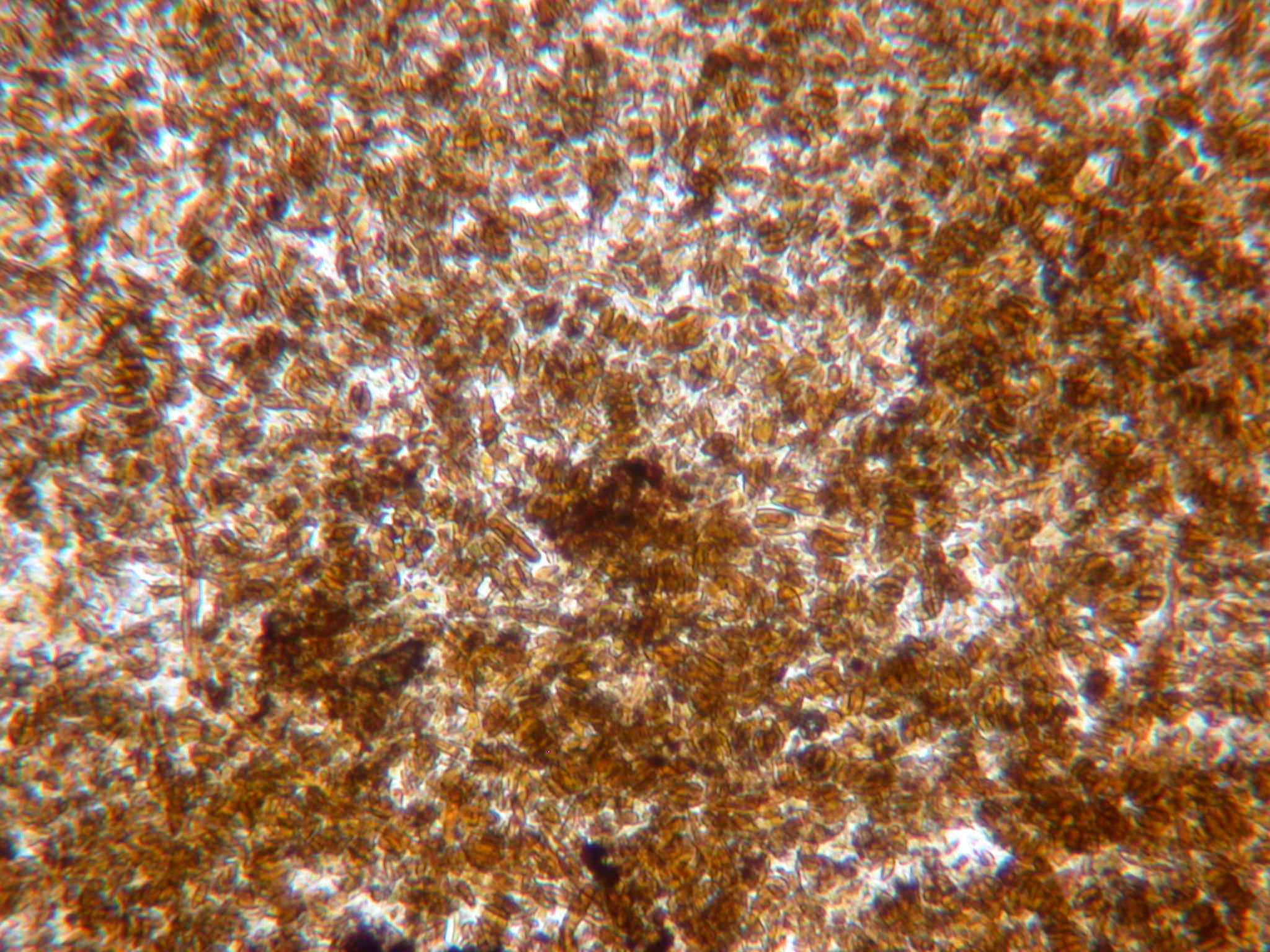
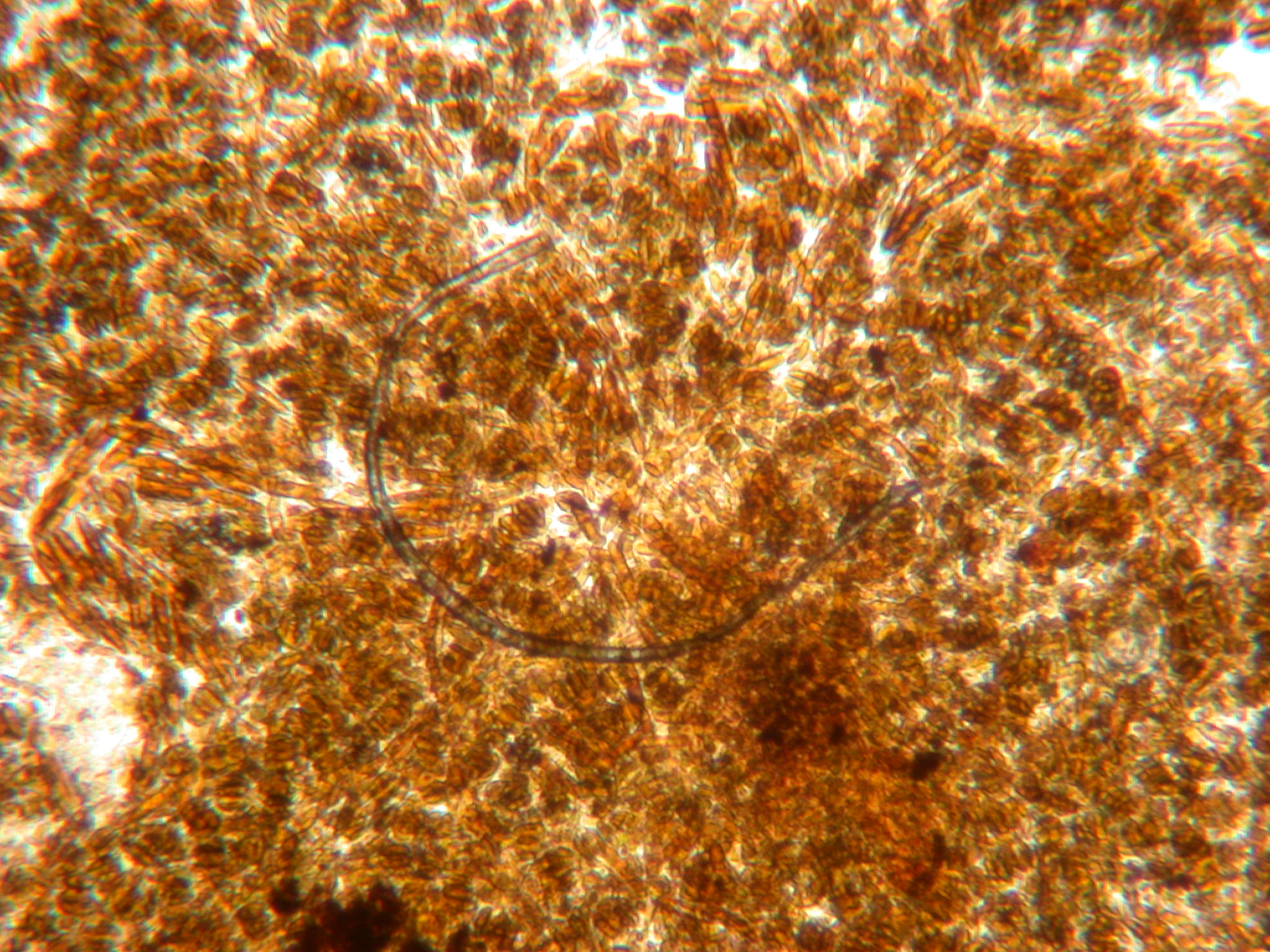
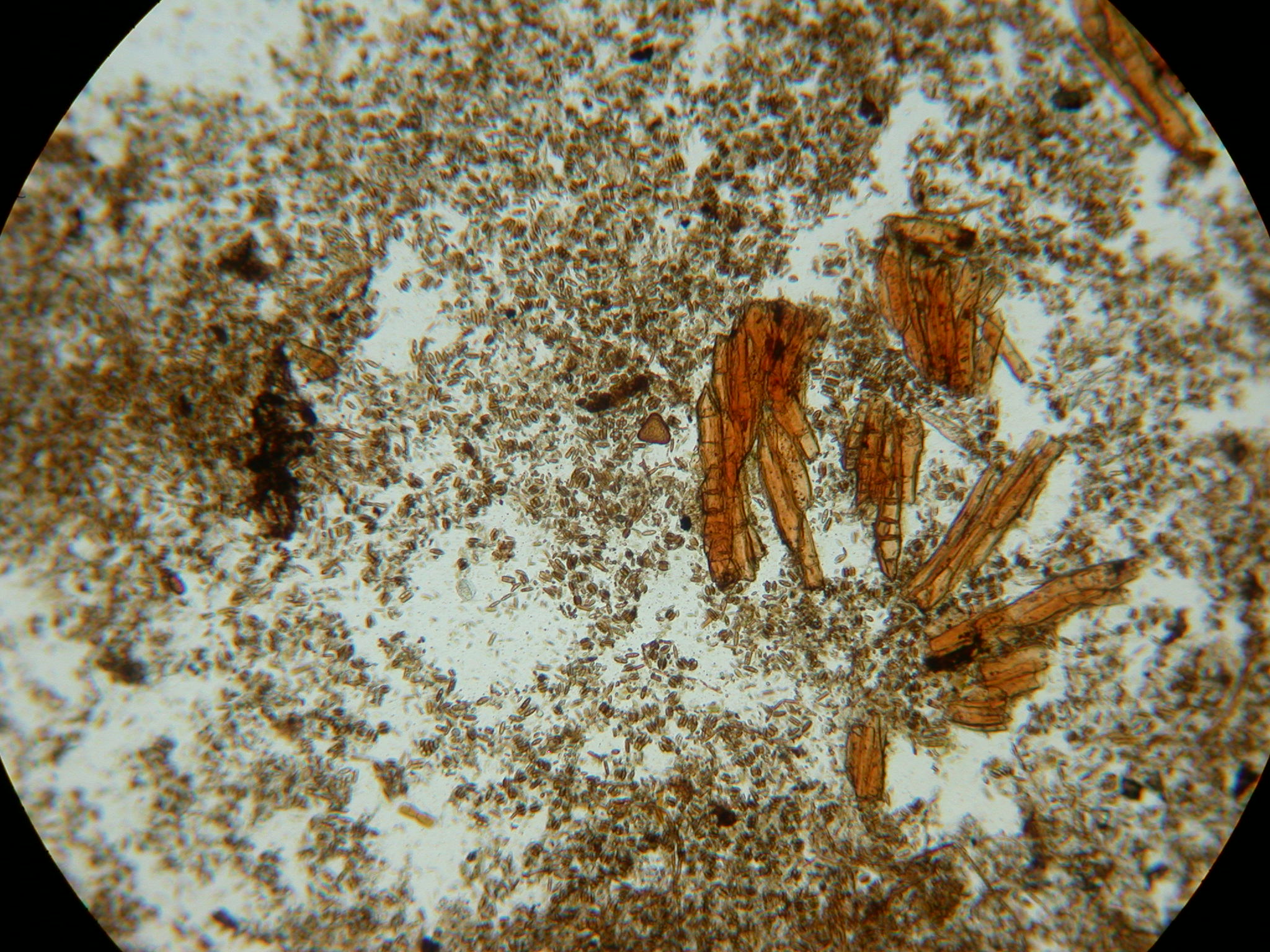
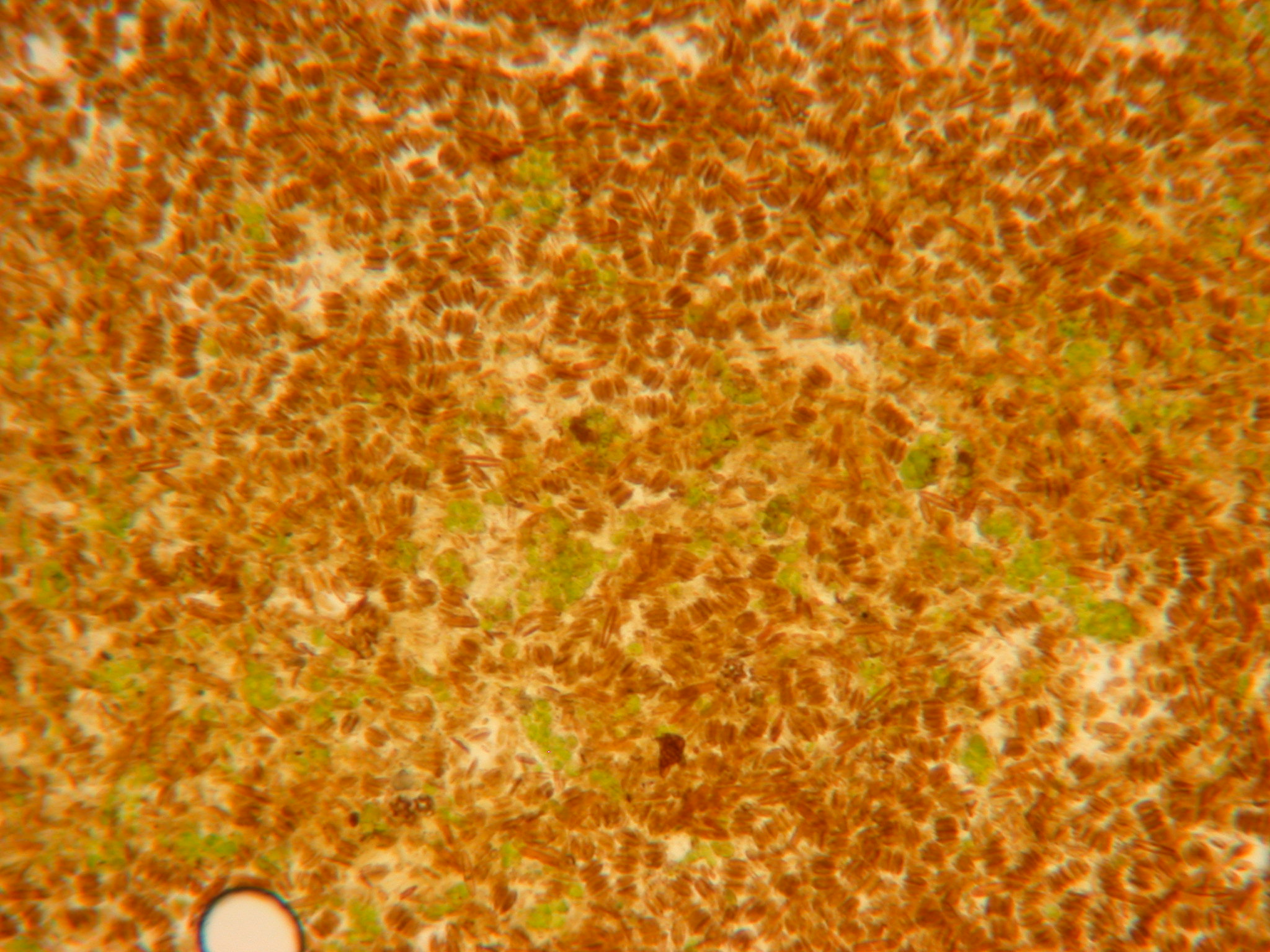
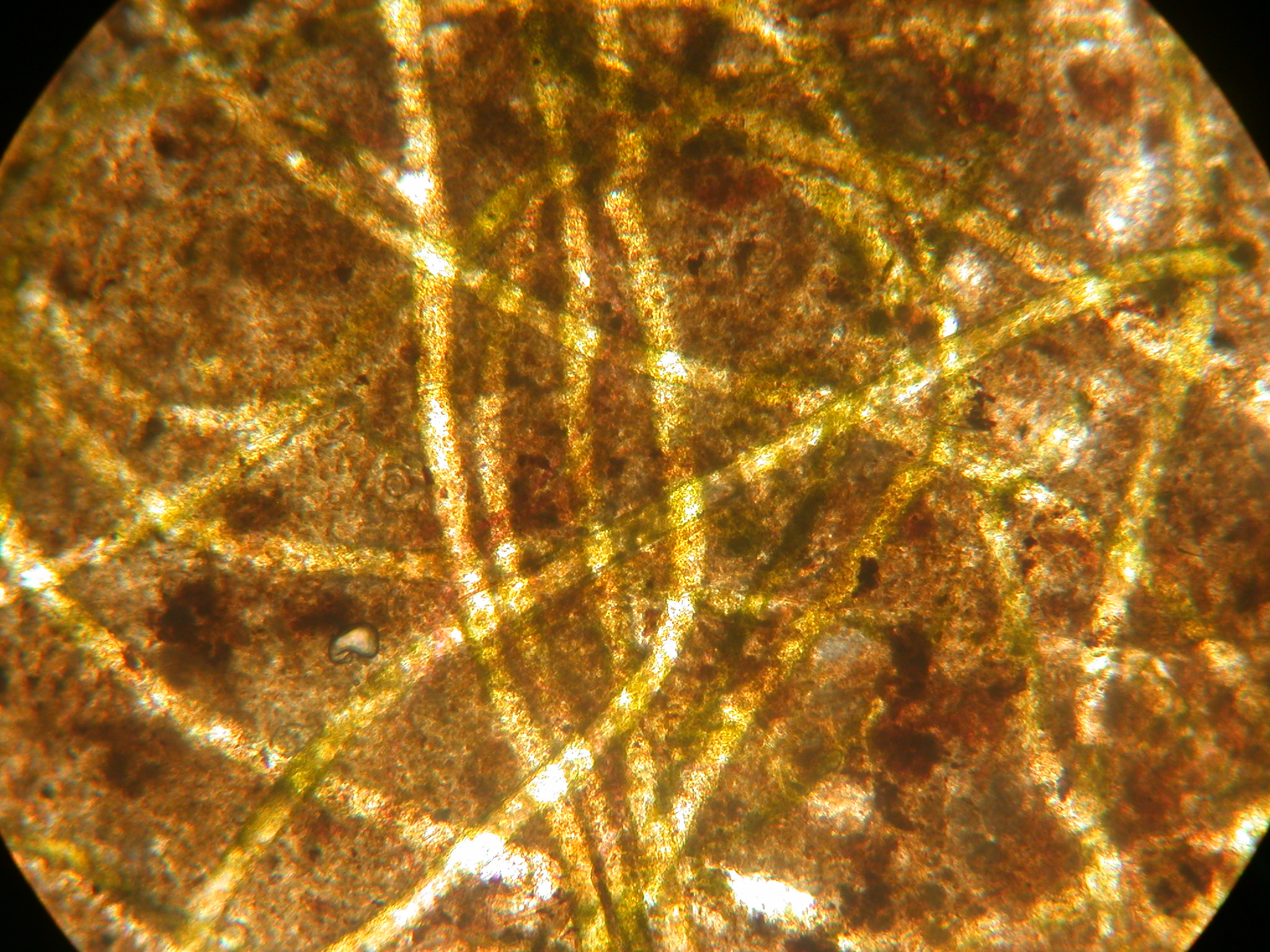
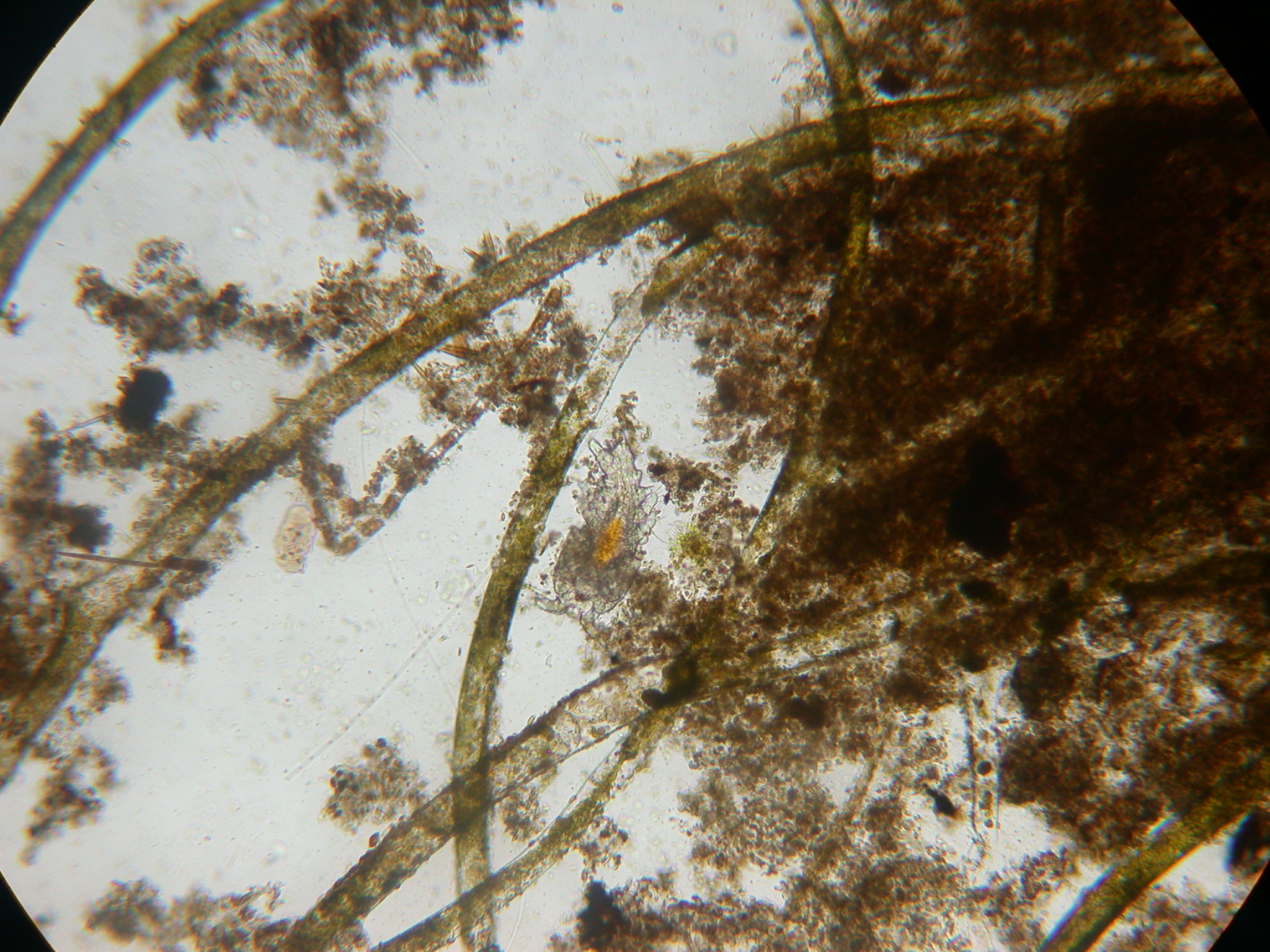
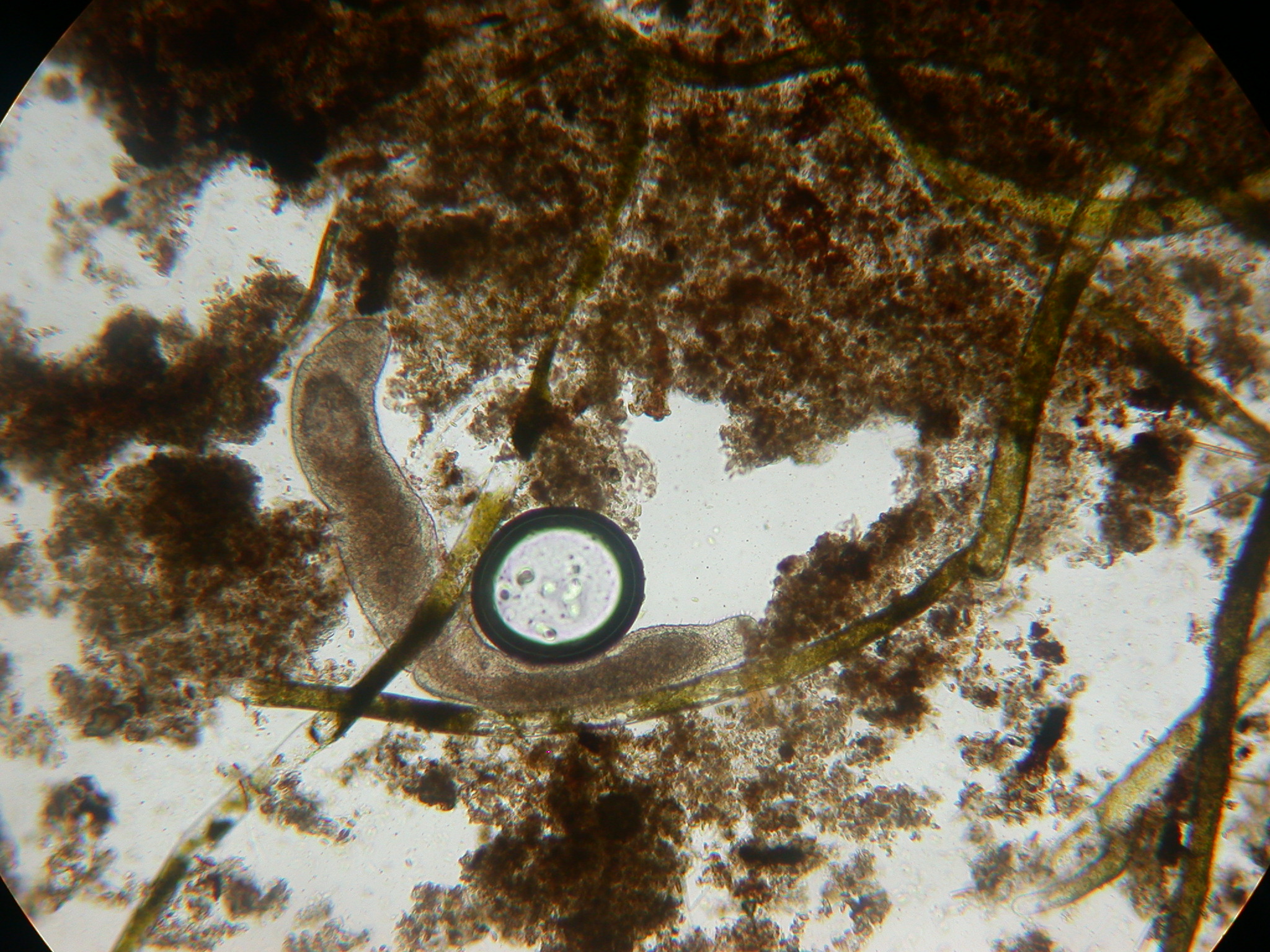
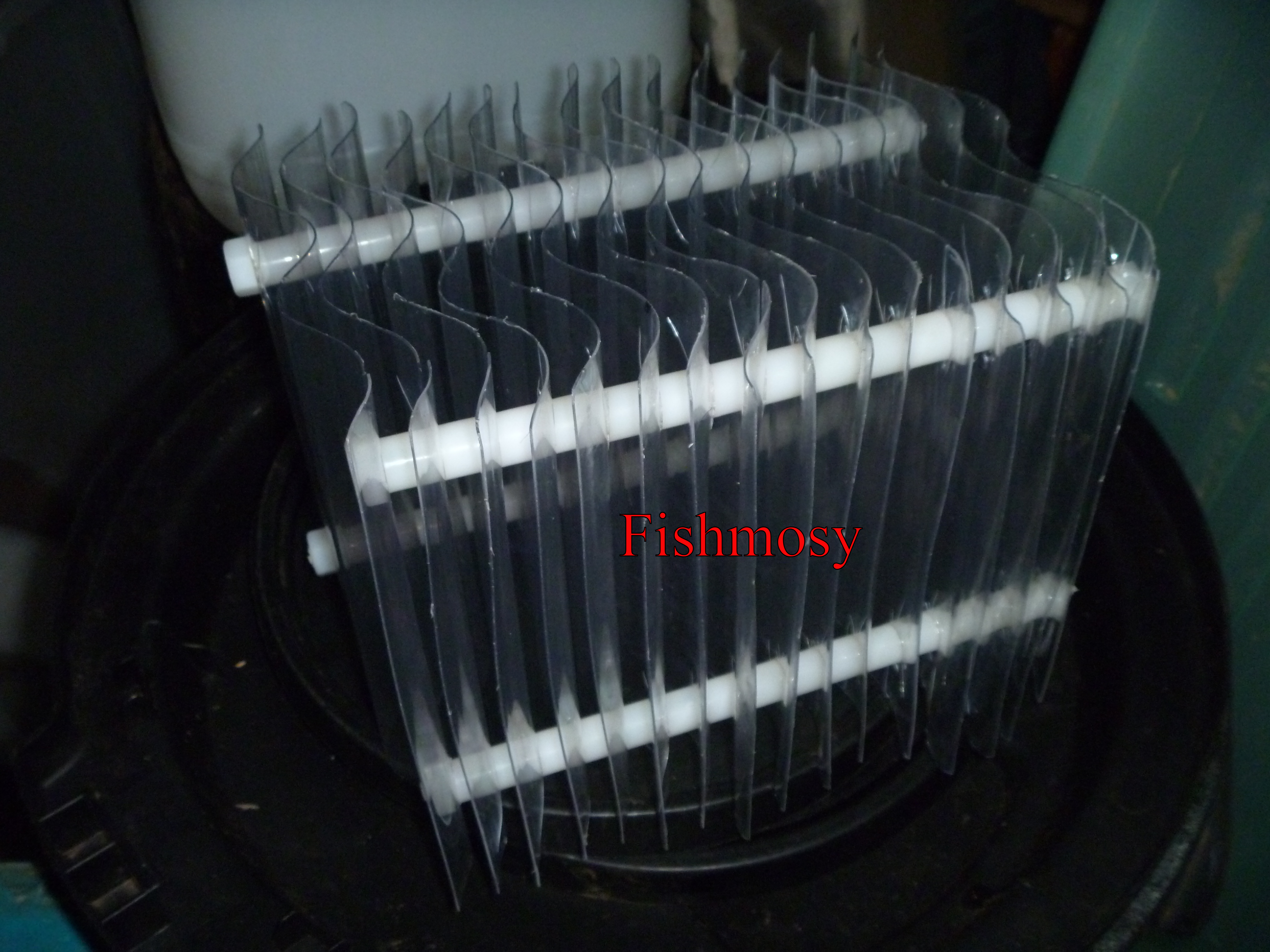
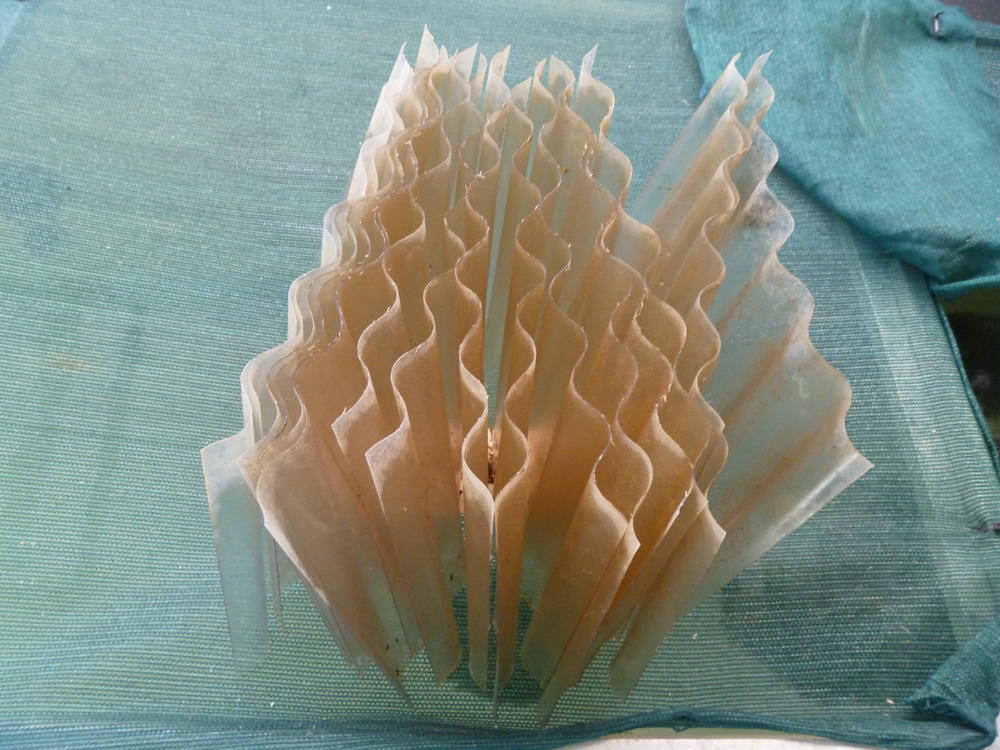
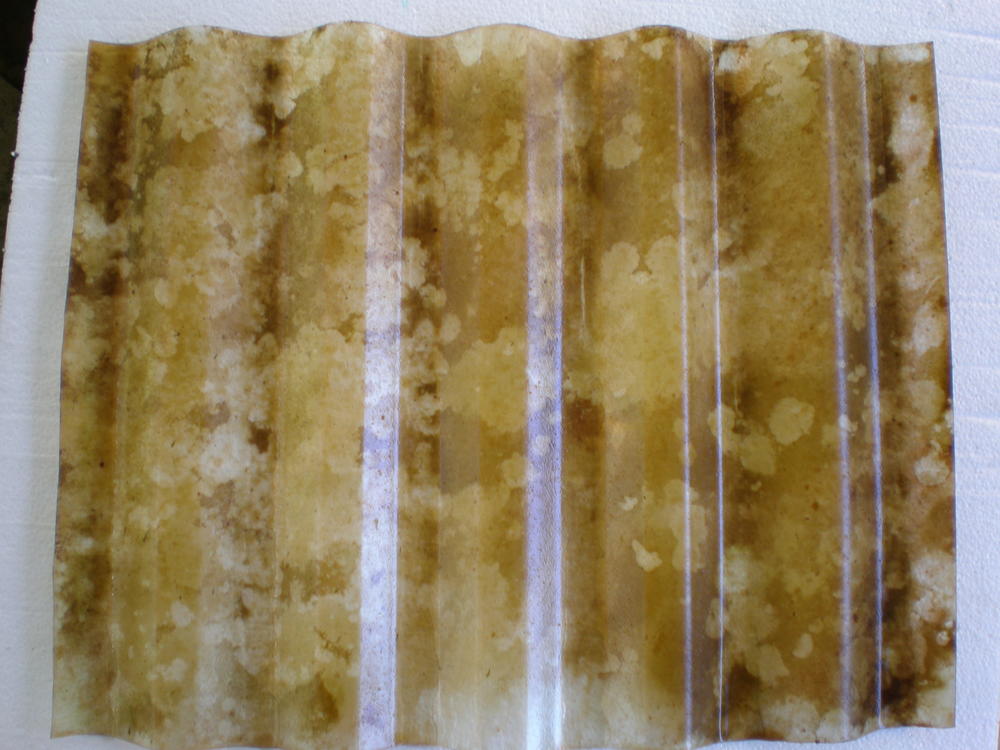
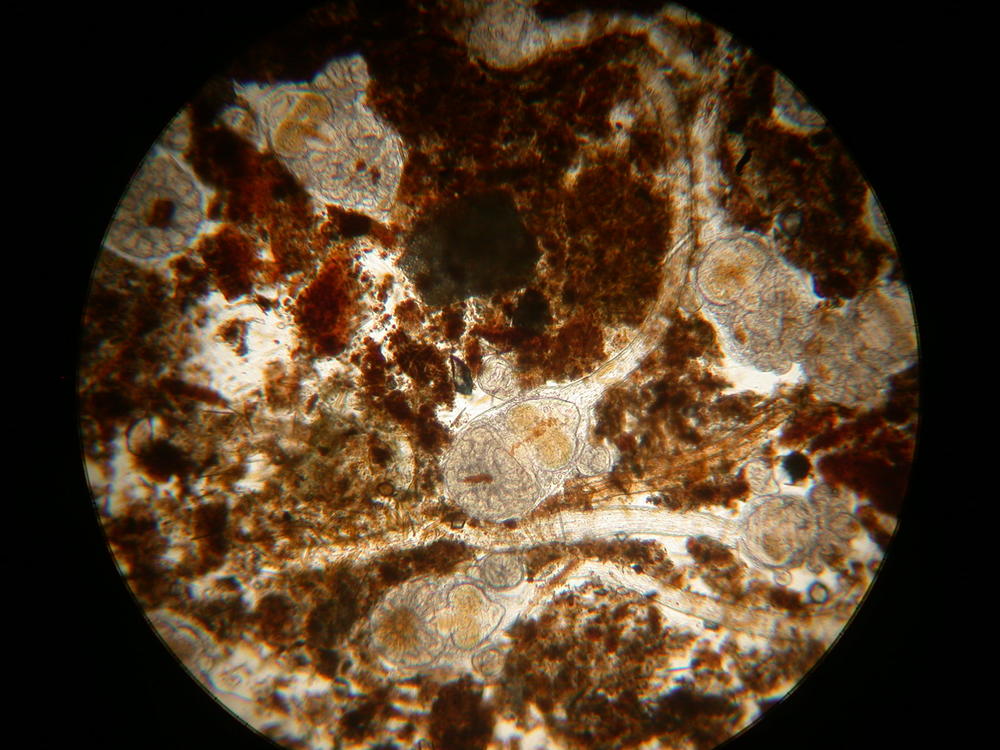
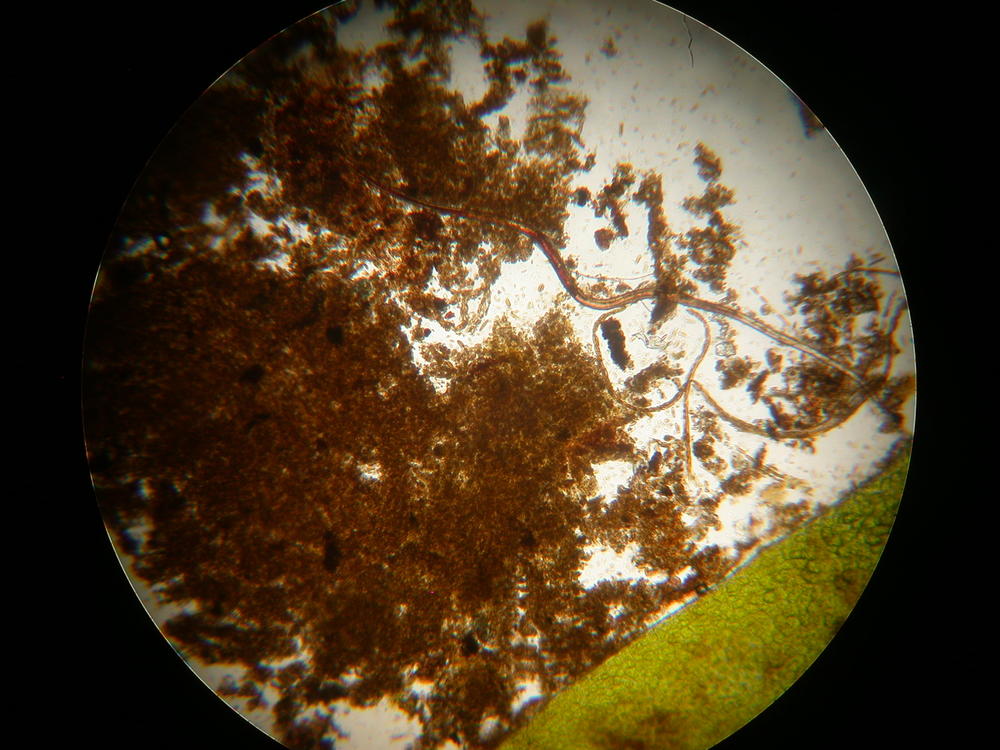
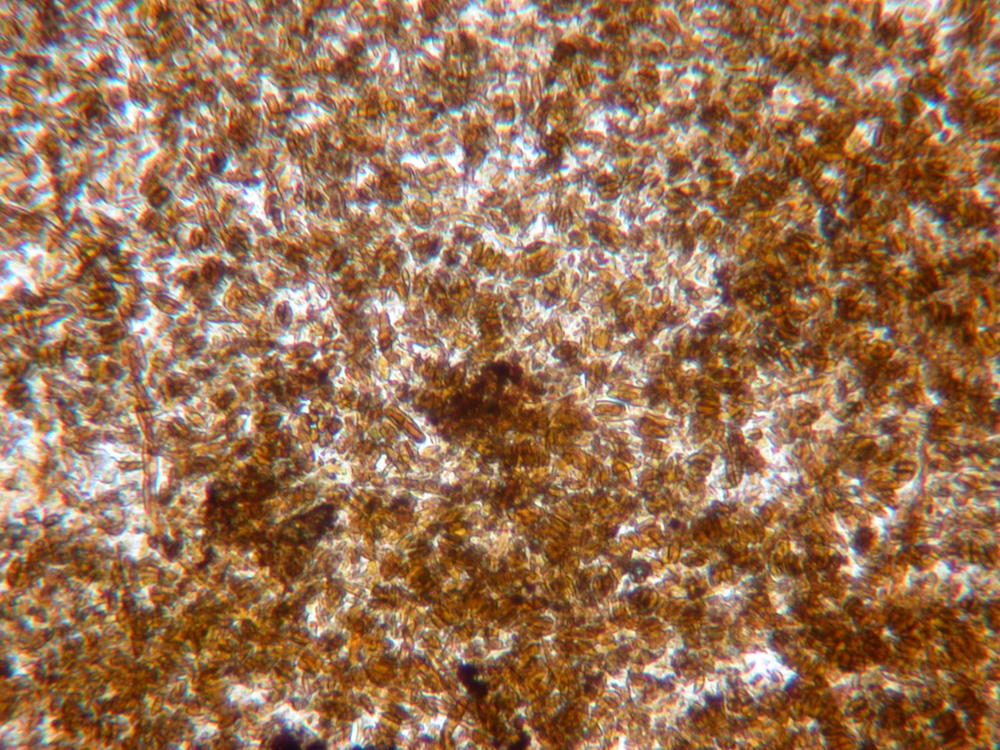
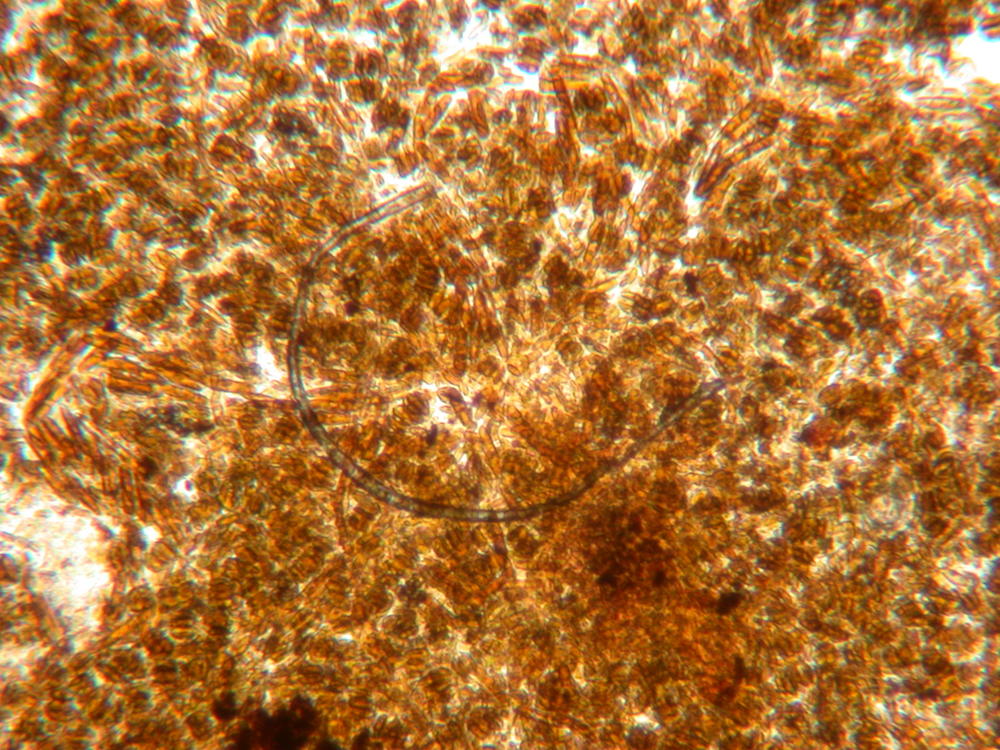
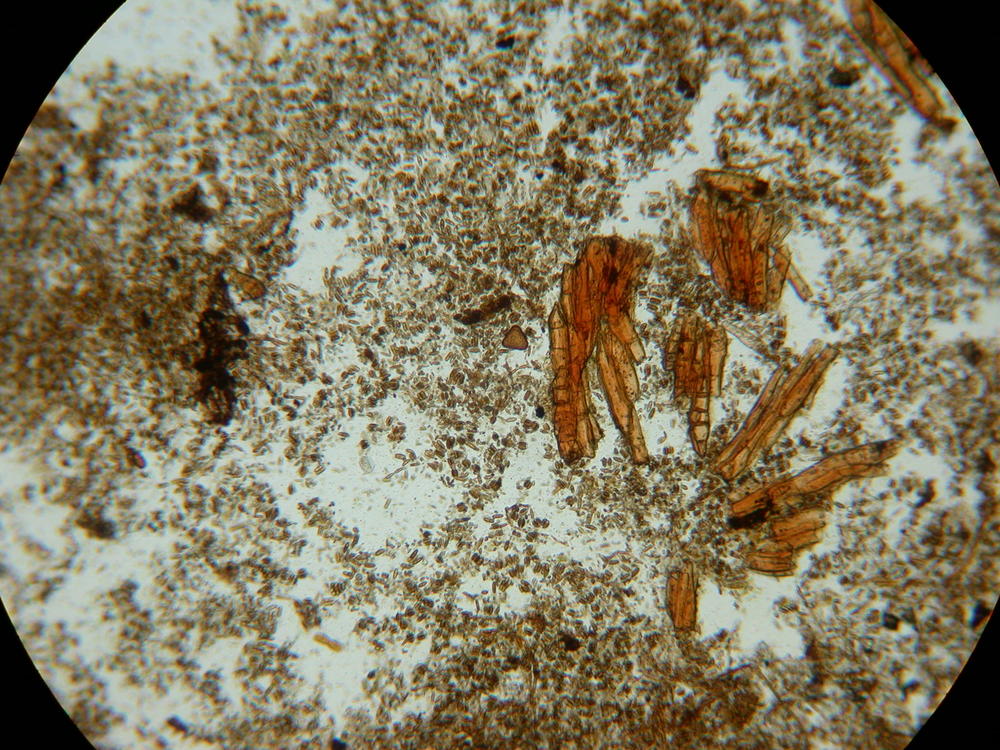
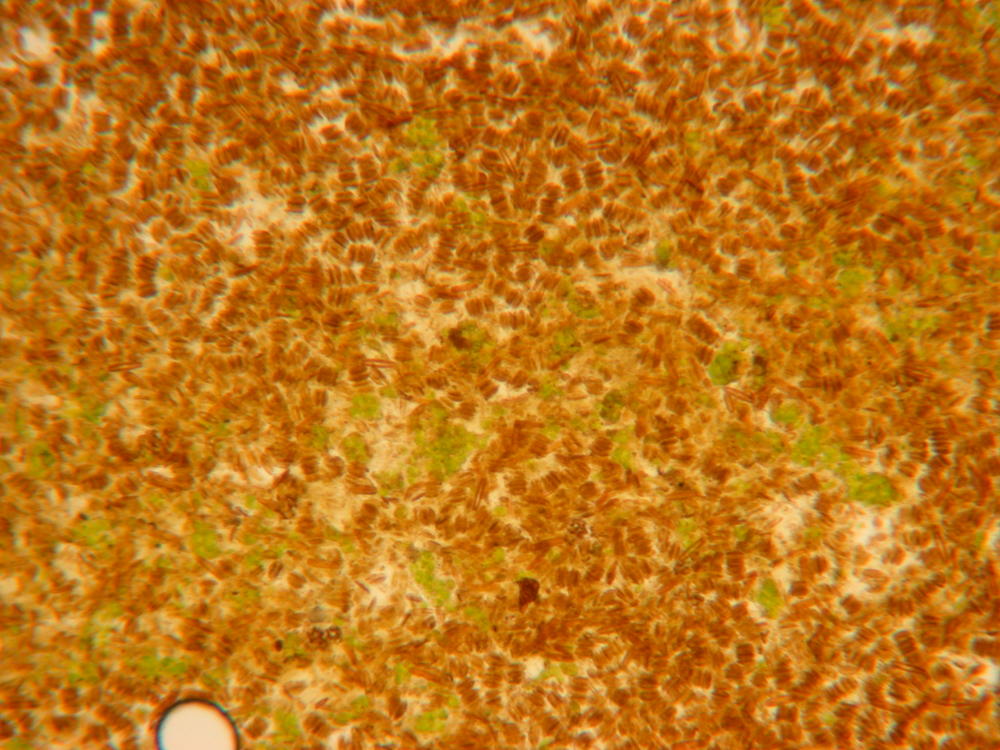
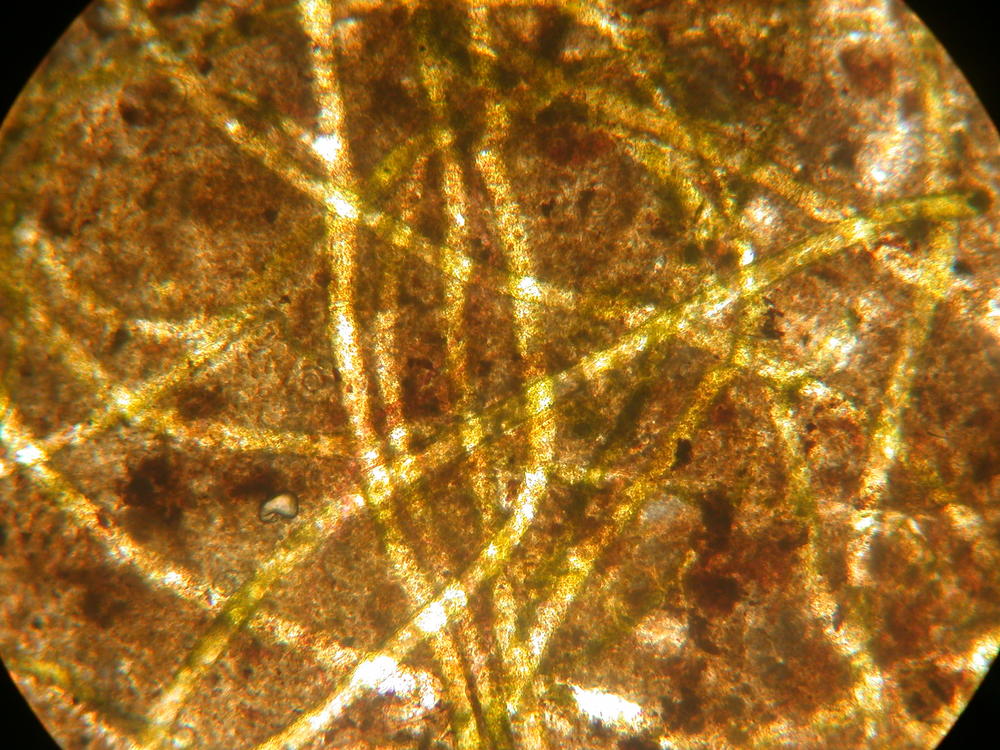
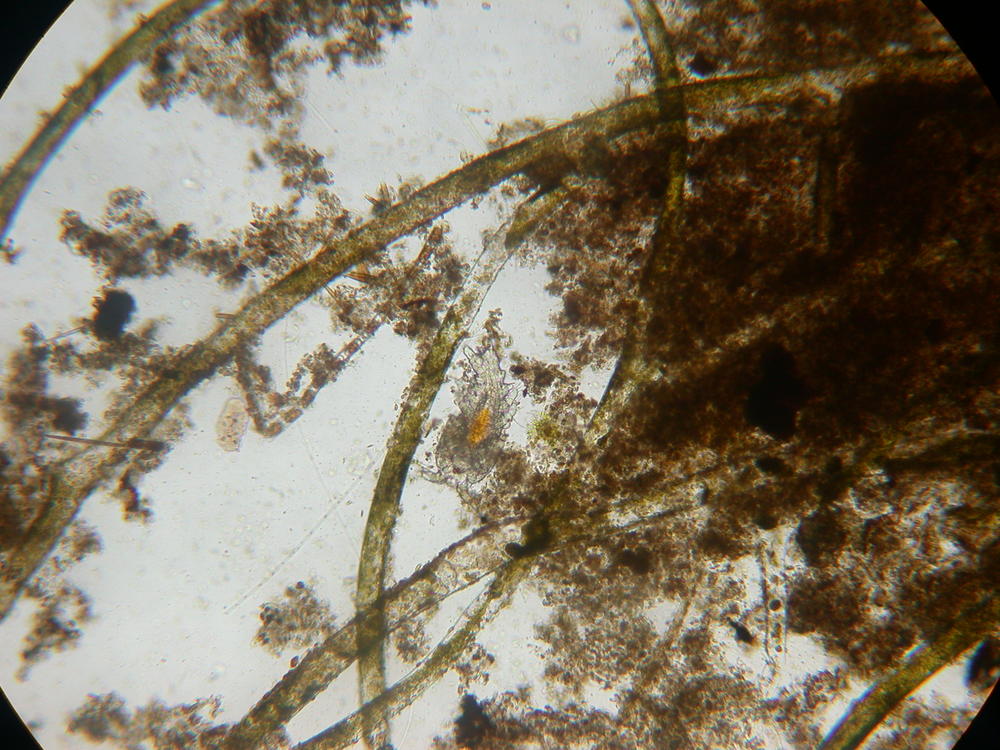
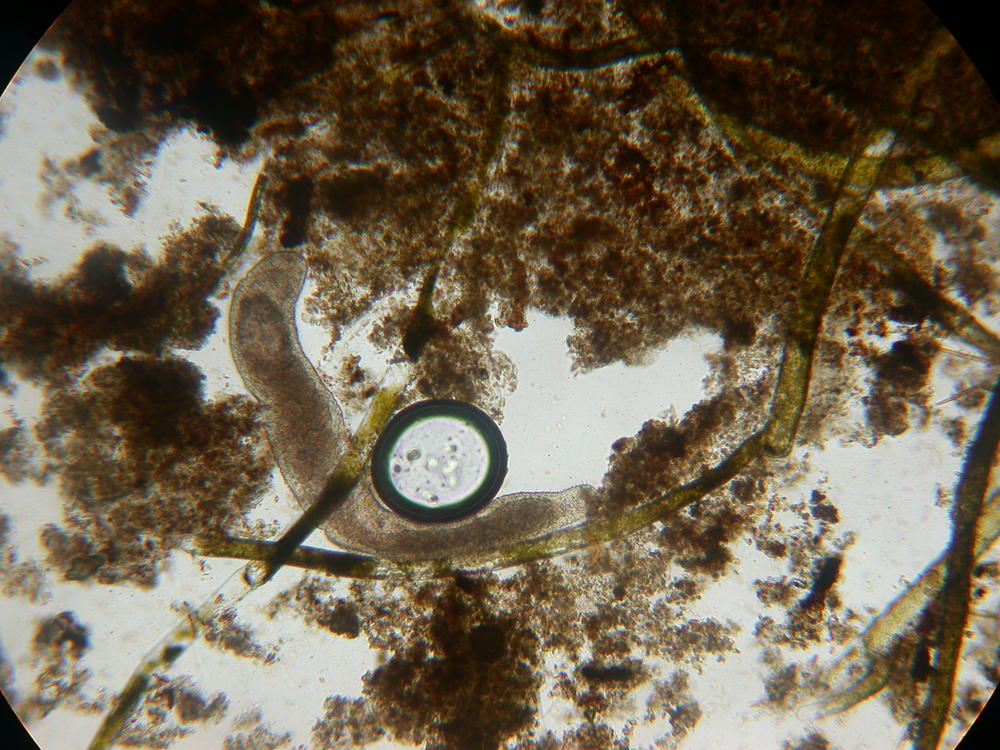
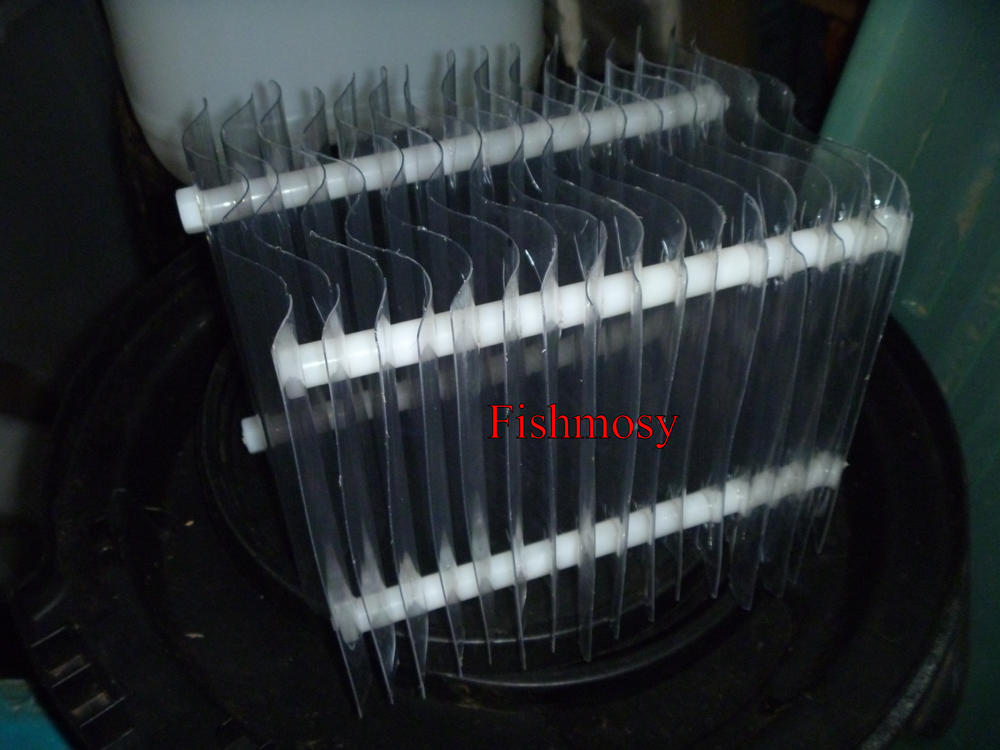
1 pointAs promised here are some pics on how I grow biofilm at work. We use polycarbonate sheets, a material used in abalone aquaculture for biofilm culture. Note two things that make it ideal for the purpose 1: massive surface area to volume ratio, 2: clear allows easy viewing of biofilm growth. We use pvc pipe to hold the plates upright (abalone farmers use baskets) to maximise exposure to light and prevent too much sediment from settling on the plates. There are two factors I believe that will greatly improve your biofilm growth. 1. Water flow. Moving water promotes growth on surfaces and slows greenwater growth in freshwater, allowing your biofilm to outcompete it. 2. Nutrients. If biofilm growth is slow, we add fertiliser. Alternatively just use water from yiur aquariums as this is generally quite high in nutrients. This is a single plate: note that on the plate you can see areas that are different to others, indicating different organisms growing on different parts of the plates. The following are pics of scrapings taken from the plates at either 40 or 100 times zoom: Long green things are filamentous algae, brown round things are diatoms Diatoms The grey things in these are stalked ciliates, attached by their stalks, they filter feed using their bulbous heads. Brown stuff is diatoms. Some diatoms and a macroalgae (seaweed) germling. Some more diatoms but notice the chains of bigger diatoms through the middle. These are motile i.e. they move. Crazy. A copepod (centre - grey coloured) found amongst the biofilm. More biofilm with an unidentified 'worm-like' organism Other random shots All of these scrapings came from plates cultured in the same raceway. Now that see can see this complexity, you can understand why one vegetable/food item just can't compare. Utilising my experience with this technique I built my own biofilm plates for growing biofilm for pleco fry. The plates are roughly 200*200mm and 10mm apart. It allows fry in to feed and stops adults from eating everything before the fry. only problem is that the polycarbonate has split (look closely) around the nylon bars. I think I'll move back to using PVC pipe to hold them apart.
 1 point